
Wallpaper Through the Ages: Prints That Defined Each Era
Learn just how wallpaper changed thru the years.
2/12/20263 min read
Wallpaper Through the Ages: Prints That Defined Each Era
As a designer, one of my favorite parts of working with wallpaper is how much story it carries. Prints aren’t just pretty patterns — they’re cultural snapshots. Every era left behind its own visual fingerprint, shaped by technology, materials, and the mood of the moment. Today, we’re taking a quick walk through time to explore the prints that left the biggest mark on our walls and continue to inspire our designs today.
The Early Influences: Hand-Painted Elegance (1500s–1600s)
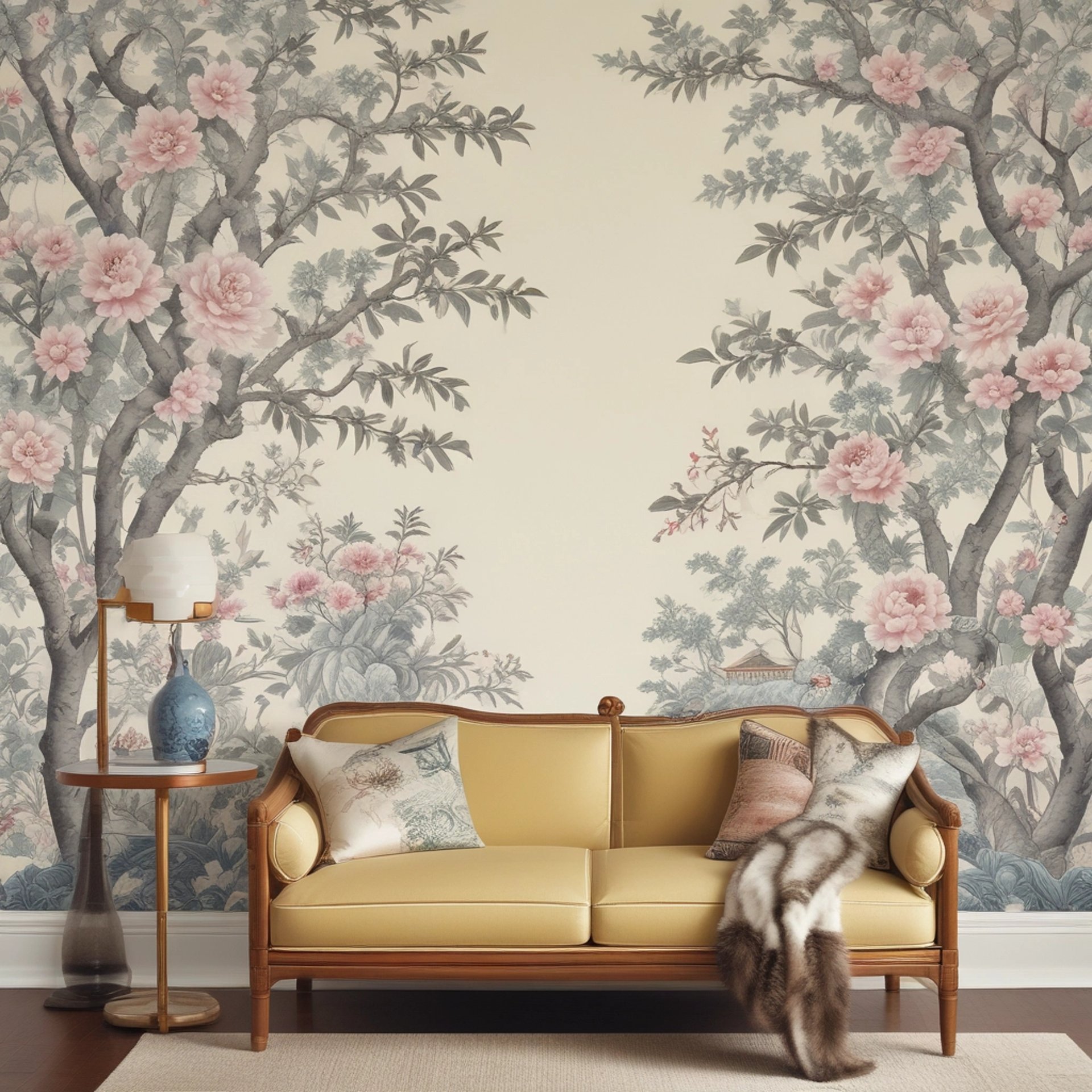
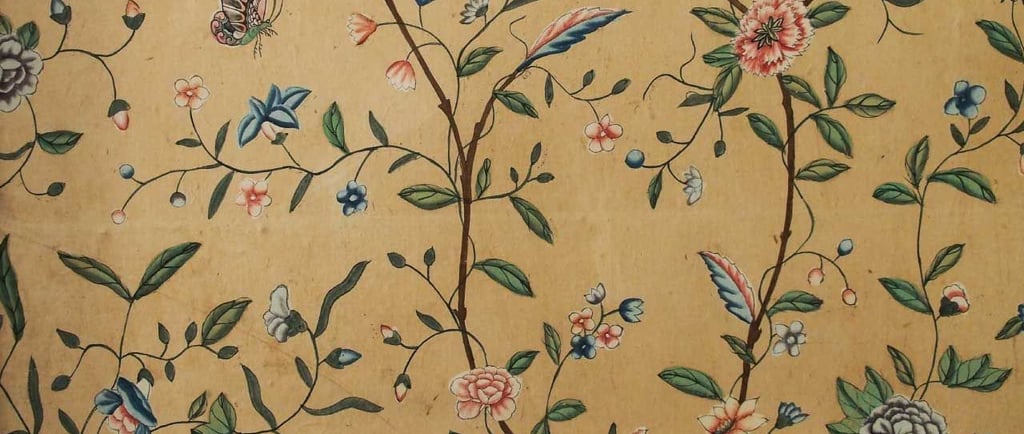
Chinoiserie was one of the first major “named” wallpaper influences in Europe — a style inspired by East Asian motifs that became highly sought after in the 17th and 18th centuries.
These early Chinoiserie prints featured birds, blossoms, bamboo, and landscape scenes that evoked a romanticized vision of the East. They often wrapped entire rooms in poetic, painterly landscapes — more like art installations than décor.
Why it mattered: European decorators loved the exoticism and storytelling of these designs, and Chinoiserie became a hallmark of sophistication and worldly taste.
Baroque & Rococo Flourish (1600s–1700s)
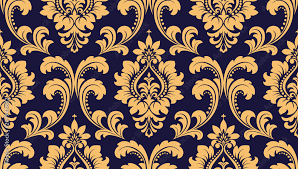
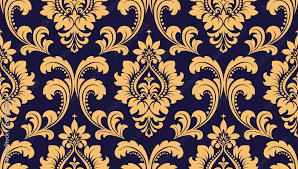
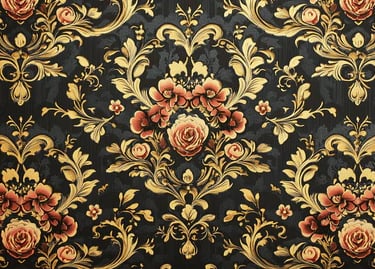
The Baroque and Rococo eras embraced dramatic, ornate aesthetics — and wallpaper rose to the occasion with patterns that mirrored the opulence of architecture and textiles in the period.
These wallcoverings often featured:
Intricate damasks
Elaborate scrolls
Stylized florals
Symmetry and layered detail
The result? Walls that felt as rich as tapestries, but accessible to more interiors as printing advanced.
Georgian Refinement (1700s)
As the 1700s progressed, patterns refined themselves into more delicate and balanced repeats. Think:
Elegant medallions
Pastoral scenes
Finer florals
Architectural references
These quieter yet poised patterns reflected broader design shifts toward classical influence and proportion in interiors, and set the stage for Victorian designs to come.
Victorian Maximalism (1800s)
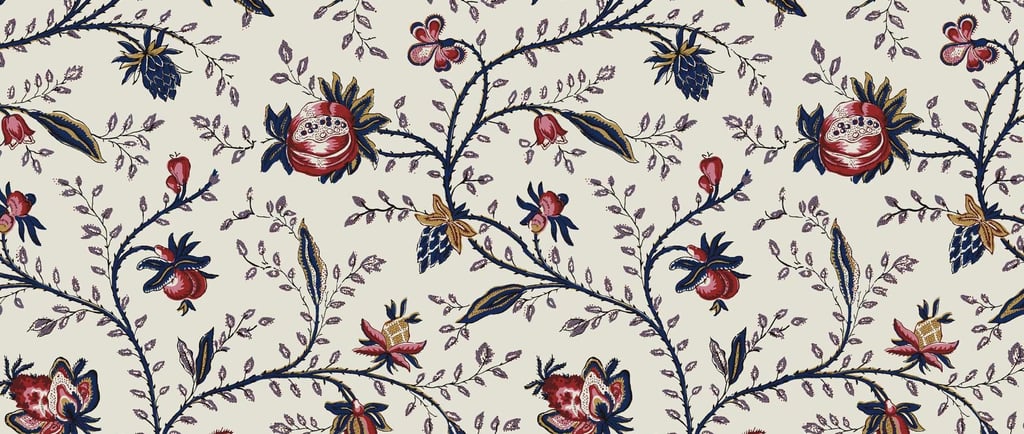
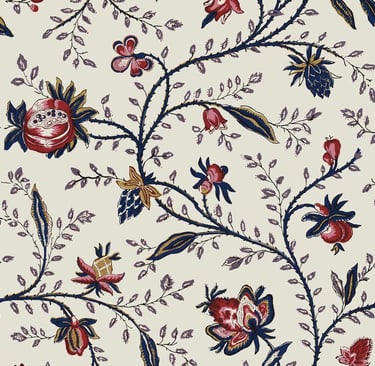
The 19th century brought a booming industrial age, and wallpaper leapt into popularity across the social spectrum.
Victorian prints were lush and layered — heavy florals, damasks, and botanical repeats — sometimes layered so densely that walls almost disappeared beneath the pattern.
This was also an era that embraced women like William Morris, whose Arts & Crafts designs balanced handcrafted elegance with repeating natural forms that remain beloved by designers today.
Art Nouveau: Nature Reimagined (Late 1800s–Early 1900s)
Shifting away from Victorian complexity, Art Nouveau introduced organic lines, flowing shapes, and nature-inspired motifs that felt lighter and more artistic.
Patterns of this era often featured:
Sinuous vines
Stylized blossoms
Fluid contours
These designs elevated wallpaper into an artful expression of movement and mood, leaving a legacy seen in some modern interpretations today.
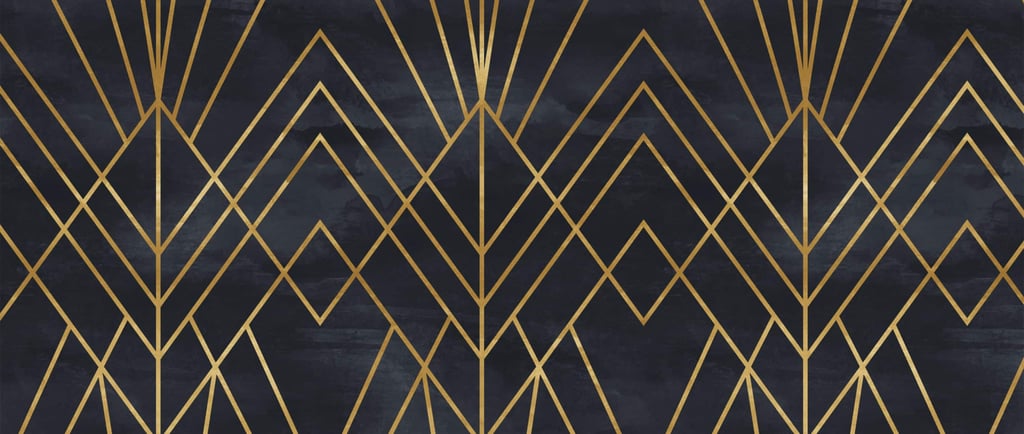
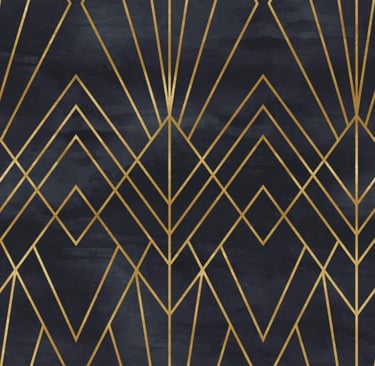
Art Deco Geometry (1920s–1930s)
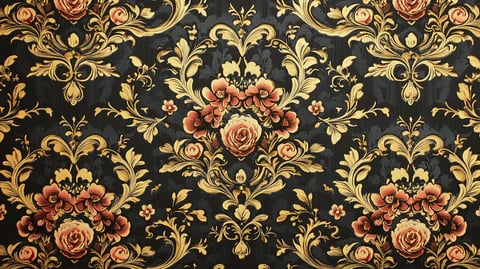
Art Deco Geometry (1920s–1930s)
If Art Nouveau was soft and natural, Art Deco was all about sophistication and streamlined glamour.
Art Deco prints embraced:
Fans and sunbursts
Bold symmetry
Metallic accents
Geometric forms
These patterns weren’t just decorative — they celebrated a design movement shaped by machinery, luxury, and modernity.
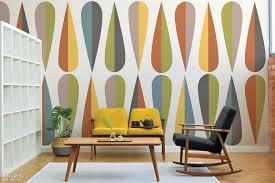
Mid-Century Modern Patterns (1950s–1960s)
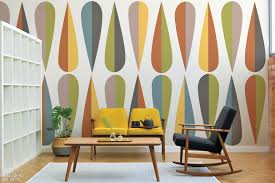
Mid-Century Modern Patterns (1950s–1960s)
The mid-century era brought a fresh, playful spirit to wallpaper. Clean shapes, stylized curves, and abstract forms became common, often in palettes that felt optimistic and bold.
These prints reflected broader design ideals of the time: simplicity married with personality.
The Bold & the Experimental (1970s–1980s)
The swing of the design pendulum in the ’70s and ’80s brought larger, louder, and more expressive prints into homes.
From psychedelic repeats and earthy color schemes to playful pastels and graphic motifs, wallpaper in these decades embraced individual expression.
Minimalism to Revival (1990s–Early 2000s)
After years of bold patterns, the 1990s ushered in minimalism — subtle texture, micro-patterns, and neutral palettes were everywhere.
Then, wallpapers began returning with renewed energy in the early 2000s: flocked finishes, metallic sheen, and oversized prints re-established wallpaper as a design force.
Why Looking Back Matters
As designers, we constantly revisit and reinterpret the prints that came before us. Whether it’s a reimagined Chinoiserie panel, an Art Deco geometric, or a mid-century inspired repeat, these patterns connect history to contemporary design. Wallpaper is one of the few elements in our spaces that literally wraps stories around us — and understanding these prints enriches how we choose and use them today.
SERVICING AREAS
Las Vegas, Summerlin
Henderson, Boulder City
CONTACT US
colors@distracteddamsel.com
(702) 487-2721
BY APPOINTMENT ONLY
During Daylight Hours
Spring to Summer: 8:00a - 7:00p
Fall to Spring: 10:00a - 4:00p